As leaders, we’re constantly pulled between competing demands—change and stability, profit and purpose, work and home. In this monthly article, Tim Arnold will show you how to tap into the superpower of “AND” so you can move beyond the tug-of-war and thrive in complexity.
The Words on the Wall
vs. the Walk in the Halls
From my forthcoming book, Winning Culture

By Tim Arnold
Walk into almost any organization and you’ll see bold words mounted on the walls: Integrity. Respect. Collaboration. Accountability. They’re inspiring to look at—but living them out is another story.
I’ve seen this disconnect for years. Back in the early 2000s, companies loved hanging glossy “Successories” posters in boardrooms—soaring eagles with the word Courage, or a rowing team under the banner Teamwork. The problem? For many employees, those posters weren’t motivational. They were a joke. Over and over, I’d hear: “The words on our walls don’t match the walk in our halls.”
The truth is, many leaders misunderstand corporate values—what they are, how they work, and how to structure them, and that confusion undermines culture. There are two very different types of values, and understanding the difference is essential.
1: Absolute Values
These are the basics—things like honesty, kindness, or integrity. Their opposites are unacceptable: dishonesty, cruelty, corruption. Author Patrick Lencioni refers to these “permission to play” values. They’re minimum standards of employment. If you don’t uphold them, you don’t get to work here.
Absolute values matter—but they don’t set your culture apart. They’re not differentiators; they’re expectations.
2: Interdependent Values
These values only work in pairs. Alone, they create problems. Together, they create strength. Think of breathing: inhaling is good, exhaling is good—but neglect one and you’re in trouble. Or consider activity and rest: each is valuable, but too much of one and not enough of the other leads to burnout or stagnation.
At work, the same dynamic is true:
- Focusing on People AND Results
- Respecting Rules AND Taking Risk
- Fostering Challenge AND Encouragement
Winning cultures aren’t built on choosing one side. They’re built on holding both together.
The Leadership Shift
The real opportunity for leaders is to build culture around interdependent values—and to embrace them as ongoing tensions to manage, not problems to solve.
When you do this, culture stops being a poster on the wall. It becomes something employees actually experience every day.
And that’s the secret ingredient of a winning culture.
Ready to help your organization tap into the power of healthy tension? Learn more about Tim’s transformative keynotes at www.timarnold.ca
Big leadership breakthroughs often start with small, practical shifts. Each month, a member of Tim Arnold’s facilitation team shares a “Quick Tip” you can put into action right away—whether with your team or in your own leadership practice.

This month’s focus: FEEDBACK
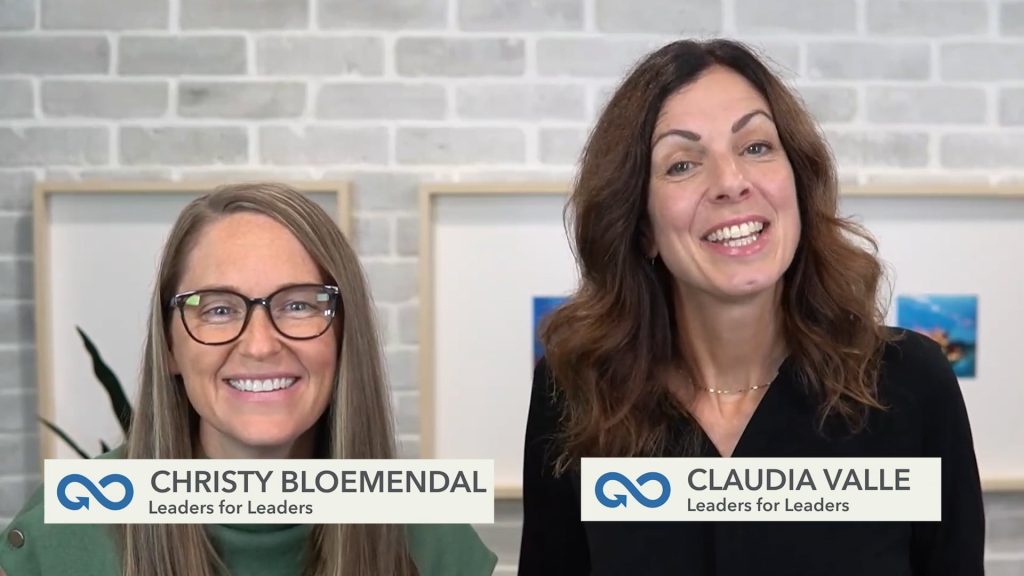
Claudia and Christy unpack four common mistakes leaders make when giving feedback—like judging the person instead of the behavior, being too vague, relying on the “feedback sandwich,” or letting the conversation drag on too long.
They’ll also preview a simple, easy-to-remember strategy that helps you avoid these pitfalls and build a culture of clear, constructive, and confidence-boosting feedback.
Watch the 4-minute video now:
After watching, I’d love to hear: what’s one feedback habit you want to improve this season?
Strong leaders drive strong results. Elevate your team through our Workshops and Masterclasses trusted by organizations across the globe: www.leadersforleaders.ca
Nothing inspires like real-world results. Each month we’ll share a quick story from a leader or organization we’ve partnered with—highlighting the breakthroughs they experienced and the results they achieved beyond expectations.
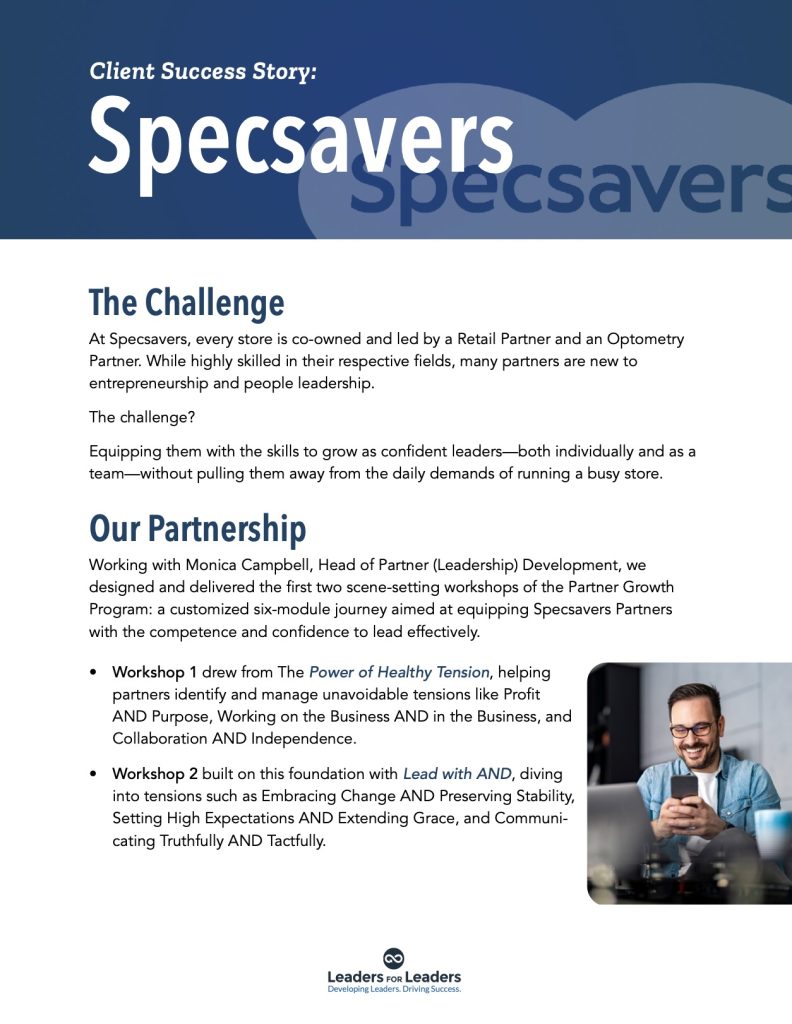
Specsavers
What happens when hundreds of busy optometry and retail partners step away from their stores to invest in leadership?
Specsavers found out—and the results were game-changing.
Interested in creating a similar “knock-it-out-of-the-park” outcome with your organization? Reach out here!